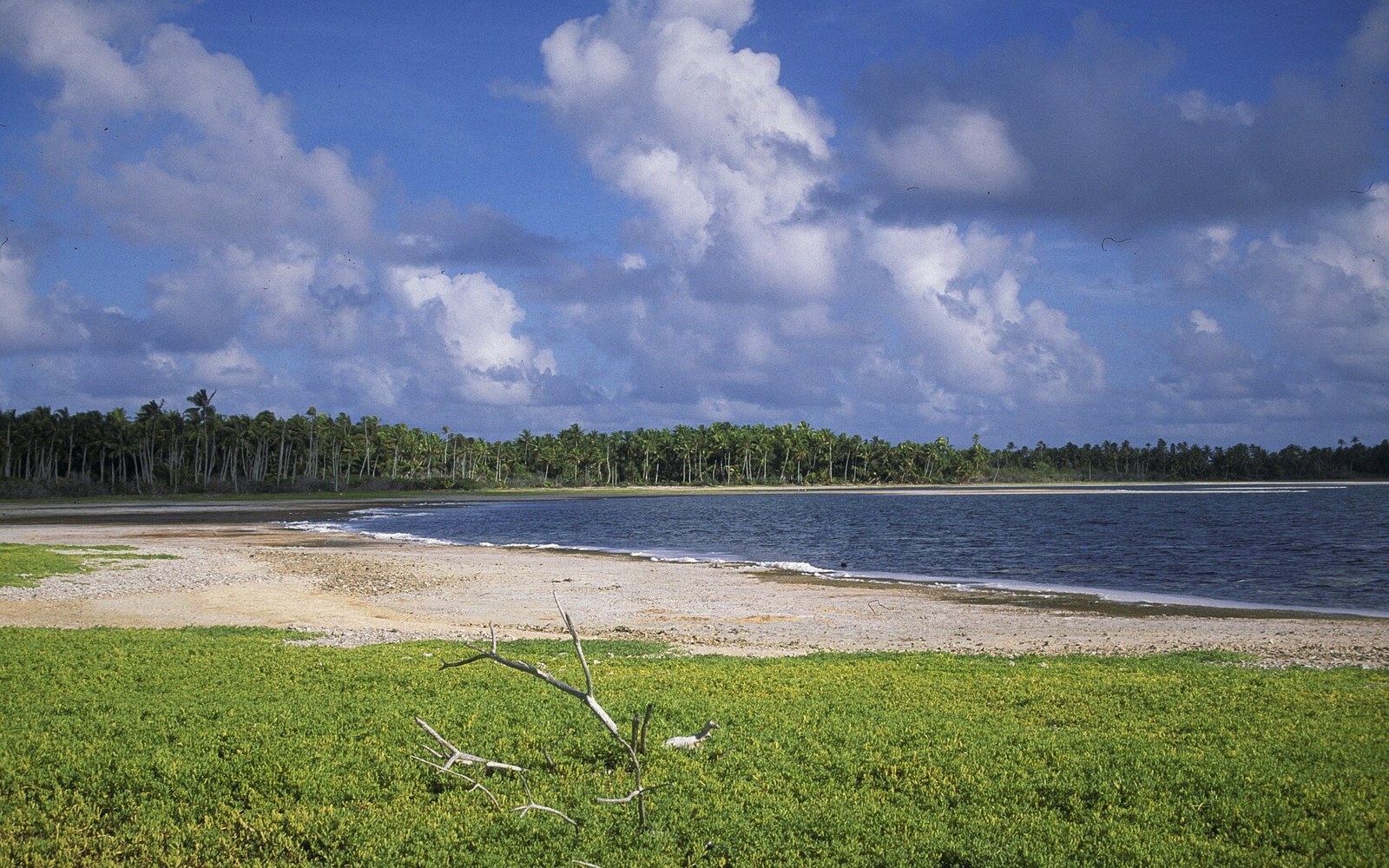
The Lagoon Is a System
A lagoon looks like a pond. It functions like a circulatory system — and anything that interrupts the flow changes everything downstream.
01Water in Motion
The interior water of an atoll lagoon is not still. Tides push ocean water through every pass and over the reef crest twice a day, exchanging saline, oxygenated water with what is already inside. Wind drives surface currents across the lagoon's breadth. Together these forces create a flushing cycle: sediment suspended, nutrients moved, temperatures regulated, oxygen renewed.
The rate of flushing depends on lagoon geometry — its area, depth and the number and width of passes connecting it to the open ocean. A large lagoon with few passes flushes slowly; a compact one with a generous pass exchanges water within days. Kiritimati's vast, nearly closed lagoon system, for instance, has sluggish internal circulation that produces hypersaline conditions in some areas — an extreme case of what geometry alone can do.
Sediment tells you a great deal about how well the system is working. On a healthy lagoon floor, fine carbonate particles — ground coral and shell — settle slowly in calm interior zones while coarser material stays near the reef edge where energy is higher. This sorting creates distinct microhabitats: sandy shoals where juvenile fish shelter, seagrass beds in the shallower margins, open sandy plains where bêche-de-mer (sea cucumber) graze. Disrupt the sediment regime and you disrupt the habitat mosaic that depends on it.
02What the Lagoon Supports
The biology inside a lagoon is distinct from the reef edge, but not independent of it. The reef flat and crest export larvae, juvenile fish and organic matter inward with each tidal pulse; the lagoon grows, feeds and shelters them before they recruit back out to the reef. This exchange is what makes an atoll system productive well beyond what its small land area would suggest. Bonefishing across a lagoon flat, gleaning shellfish from seagrass beds, casting nets for mullet at dawn — these are not marginal activities but primary food sources across the outer islands.
The lagoon also moderates the freshwater lens beneath the islets. Groundwater on an atoll is a thin floating body of fresh water perched above seawater; its depth and quality respond to how saline the surrounding lagoon is and how freely water moves beneath the sediment. Over-extraction, saltwater intrusion and degraded lagoon circulation feed into the same crisis from different directions.
03When the Flow Is Interrupted
The most direct human intervention in lagoon circulation is the causeway. South Tarawa's islets were connected across decades by filled causeways — solid barriers rather than bridged spans — and the effect on lagoonal flow between compartments was significant. The causeways restricted tidal exchange between the sections of lagoon they divided, reducing flushing rates and allowing organic matter — sewage, runoff, market waste — to accumulate rather than disperse. In an area of high and growing population density, that combination has produced measurable water quality degradation in the enclosed lagoon embayments nearest the capital.
Settlement pressure adds further stress. Reclaimed land for housing, jetties built without hydrological assessment, dredging for aggregate — each locally rational decision alters current paths and sediment transport in ways that compound across the system. A lagoon that flushes less frequently accumulates heat more readily, too, making coral communities along the interior edges more vulnerable to bleaching during warm water events.
None of this is inevitable or irreversible in its entirety. Lagoon systems are resilient where circulation is maintained and sediment disturbance is limited. But resilience has a budget, and in the most populated atolls of Kiribati that budget is under sustained pressure from every direction at once — population, infrastructure, warming ocean, and seas that are not staying where they are.
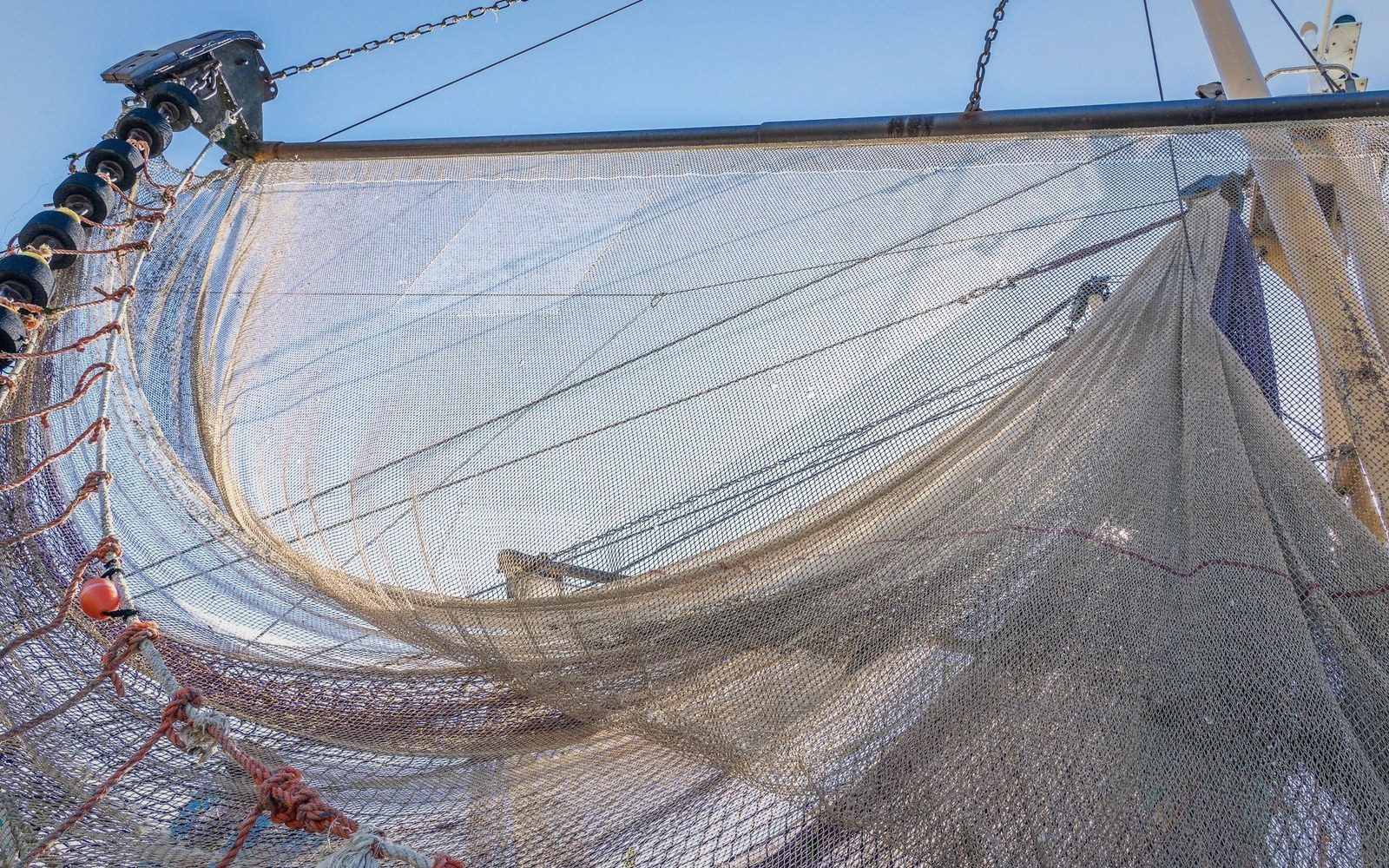 Next in Reef & OceanTuna and the Licence EconomyKiribati's exclusive economic zone is vast and its fishing licence revenue is central to the national budget. How that works, who fishes there, and what the dependency means.Read it →
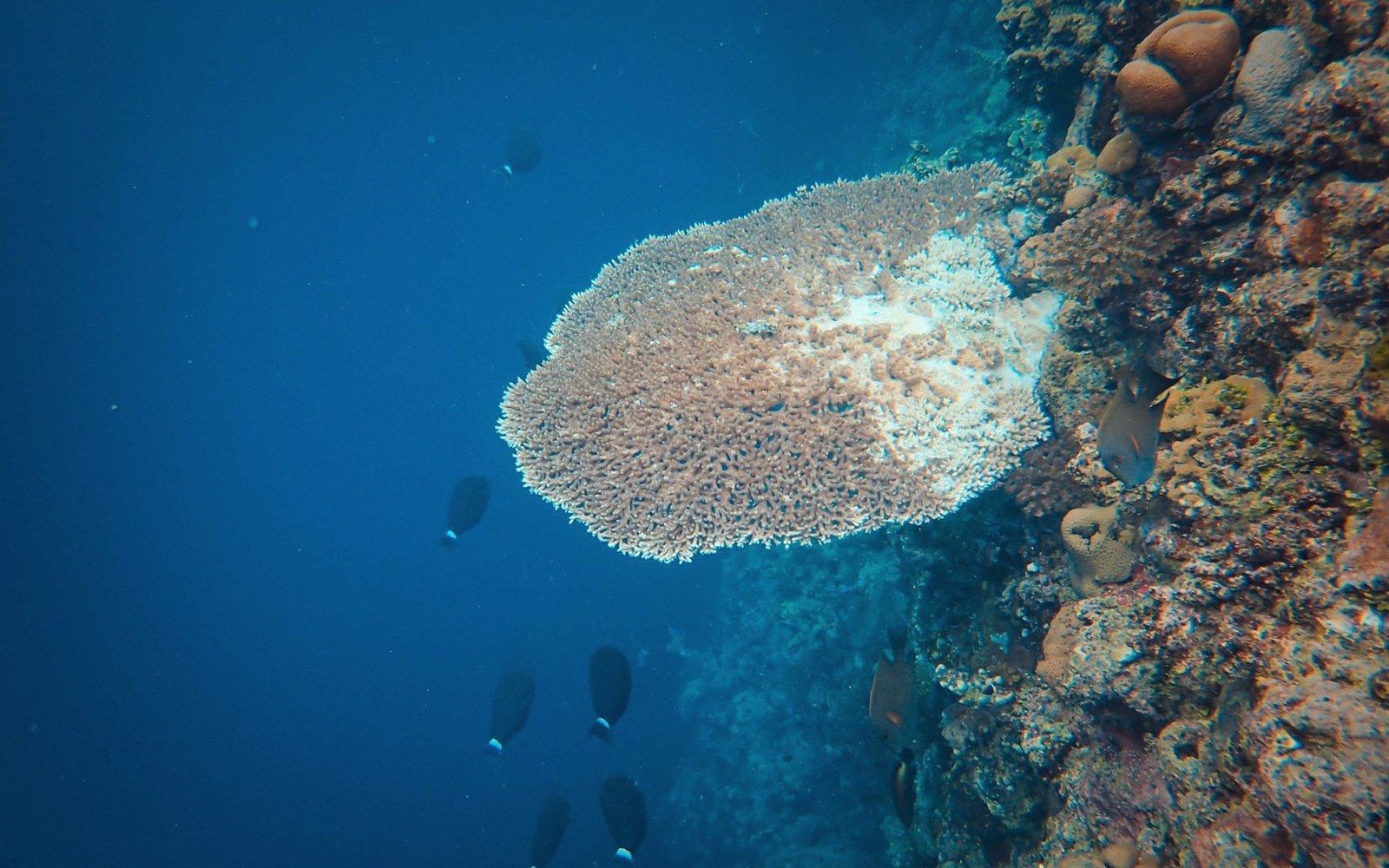 Past the Reef EdgeThe reef flat, the crest and the drop into open ocean — the profile that defines an atoll's edge and why most of the country is vertical water.
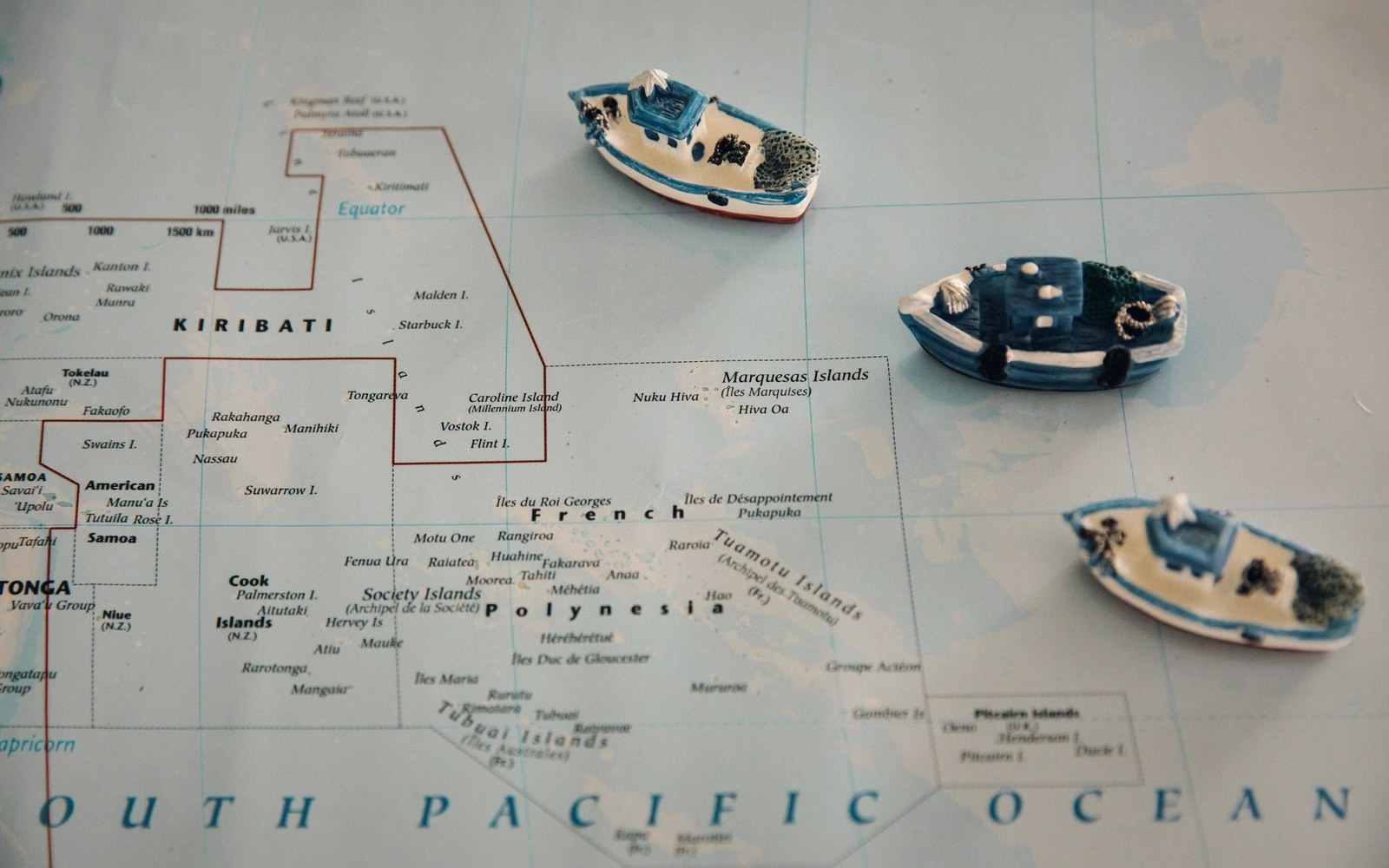 The Phoenix Islands Protected AreaOne of the largest marine protected areas on earth: what it covers, what it protects, and the trade-off a small economy accepted to create it.
 What Bleaching Actually DoesThe mechanism of coral bleaching, the difference between bleached and dead, and the consequences for an island whose land is built of reef material.